澳大利亚华人历史博物馆amofch 澳大利亚华人历史100年回顾
祖辈的足迹 · 金矿的回声
——澳大利亚淘金年代中的华人命运与制度秩序
(1850年代历史回望 · 2025年圣诞节田野体验)
中文(Chinese)
引言|循着祖父的脚印
2025年圣诞节期间,为推进澳大利亚华人历史研究,并为《雷氏族谱》留下真实而可感的时代注脚,我应维多利亚州一座淘金古镇文化机构之邀,前往内陆金矿区实地考察。
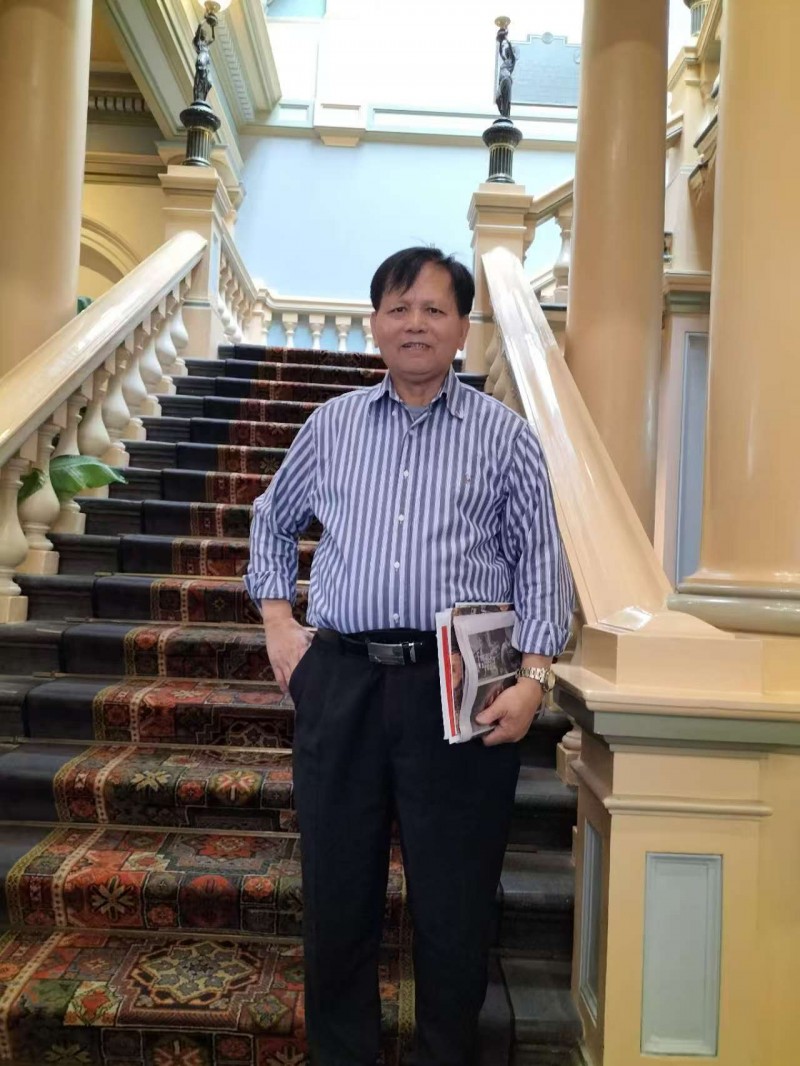
这座小镇至今仍完整保留着英国殖民风格与维多利亚女王时代的文化气息。圣诞节期间,古老街区洋溢着浓厚的欧洲传统氛围。内陆地区早晚清凉,中午却酷热难耐。

清晨十点,我趁凉预约参观淘金遗址,循着祖辈的足迹,体验他们当年真实的生存环境。
一声喝令|秩序的震慑
忽然,远处传来一声喝吆。循声望去,一名金发碧眼的白人执法者,腰佩左轮手枪与军刀,手持警棍,全副武装,以威严的语气向“淘金者”训话,现场气氛顿时紧张。

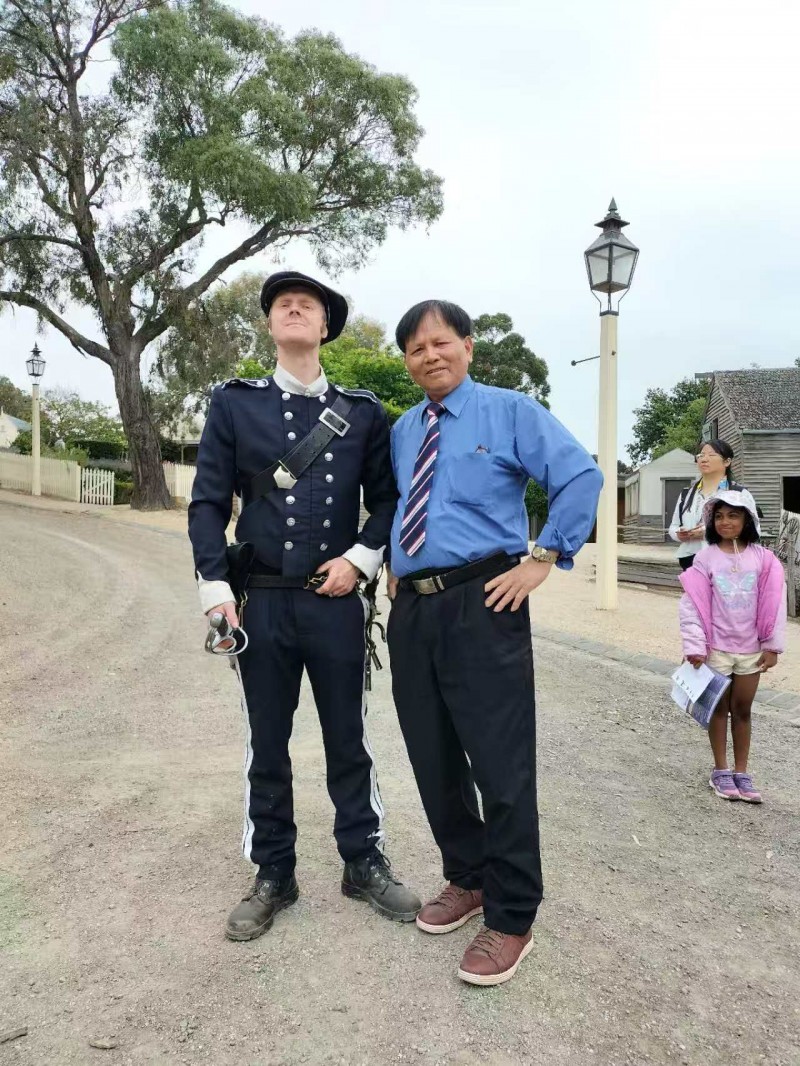
我意识到,在19世纪的金矿区,来自世界各地的人群云集,唯有强力秩序,才能维持场面。
我上前说明来意,并解释华侨当年远渡重洋的初衷——不过是希望数年辛劳,积蓄财富,回乡买田置地、建屋成家,奉养父母,照顾族人,求一份安稳的晚年。

一、淘金热下的非常年代
1851年,澳大利亚发现金矿。短短数年间,全球淘金者蜂拥而至。金矿区人口骤增,社会结构极度复杂。
来自欧洲的移民、退役军人、商贩、冒险者,与大量来自中国广东、香山(中山)、四邑地区的华人,共同构成了一个高度流动、缺乏稳定治理的边疆社会。
殖民政府迅速意识到:必须以强力维持秩序。
二、金矿警察:秩序的象征,也是权力的延伸
由殖民政府直接派遣的金矿警察(Gold Fields Police)因此成立。这是一支具有准军事性质的执法力量,通常配备火枪、手枪、军刀,并辅以骑警巡逻。
其主要职责包括:
维持金矿区治安
执行矿权执照制度
搜查非法采矿
押送黄金
镇压骚乱与暴动
在法律层面,他们象征殖民秩序;在现实中,却常因执法严厉、缺乏制衡而引发争议。
三、华人淘金者:制度之外的勤劳者
19世纪中叶,大批华人自中国南方远渡重洋,多以家族或同乡结伴进入金矿区。
他们勤勉耐劳,善于细采;重视集体合作,纪律严谨;尽量避免冲突,尊重秩序。然而,由于语言障碍与制度歧视,华人常被视为“外来者”,而非平等的矿工。
四、执法不公与制度性压迫
矿权执照制度规定:无论是否挖到黄金,每名矿工都必须缴纳费用。金矿警察频繁突击检查执照,在实践中:
华人更容易被拦查
语言不通导致误解与处罚
罚款、拘押、驱逐屡见不鲜
在1857年巴克兰河反华骚乱、1860—1861年兰宾平地暴动中,大量华人营地被毁,财物被抢,生命受威胁,而肇事者却很少受到惩处。
五、秩序的两面:镇压与改革
1854年尤里卡起义后,殖民政府开始反思过度强硬的治理方式,逐步改革矿权制度,减少随意搜查,强化法律程序。
在后期部分金矿区,警力开始更积极地保护华人营地,殖民社会也逐渐走向法治。
六、历史的回望|个体命运与时代洪流
金矿警察与华人淘金者的关系,并非简单对立,而是制度、权力与移民命运交织的缩影。
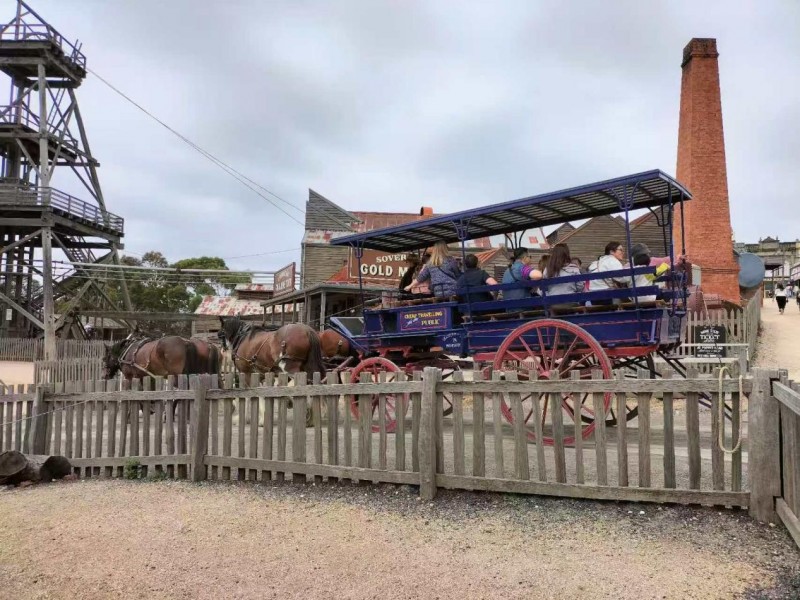
在不平等制度下,华人淘金者以坚韧与勤劳立足异乡;而金矿警察,则在秩序与偏见之间,扮演着复杂而矛盾的角色。
尾声|不曾“花”的心
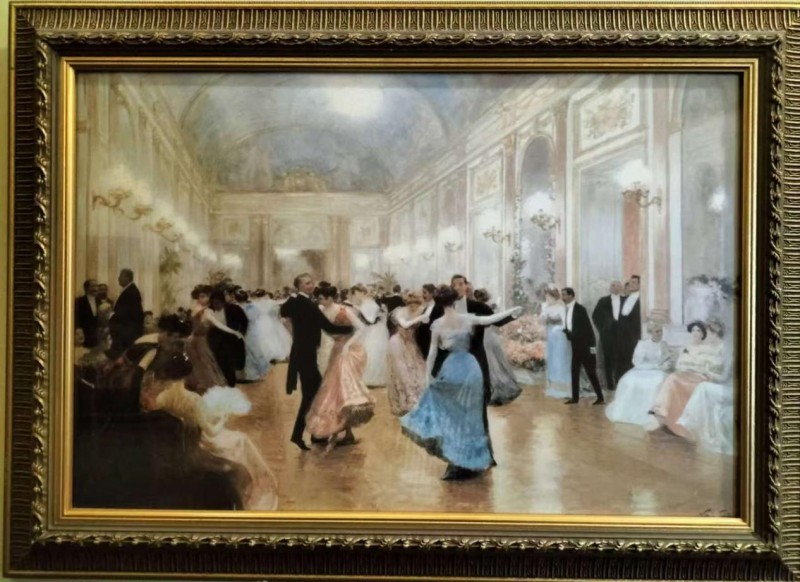
金矿区曾是花花世界,但祖父的心并未迷失。他思念故乡的儿女与族人,家中九旬老母与缠足的妻子,在桥门守望归期。
多年后,祖母常叮嘱后辈:
“出外做人,要像宜佑公那样——勤工、节俭、顾家。”
澳大利亚华人历史研究会
Footsteps of Our Ancestors · Echoes of the Goldfields
— Chinese Migrants, Colonial Order, and Life on the Australian Goldfields
Introduction | Following My Grandfather’s Path
During Christmas 2025, in support of Australian Chinese historical research and to provide an authentic record for the Lei Family Genealogy, I visited an inland gold-mining town in Victoria at the invitation of a local cultural institution.
The town retains its British colonial architecture and strong Victorian-era character. During Christmas, the streets are filled with a distinctly European atmosphere. The inland climate is cool in the mornings and evenings, yet intensely hot at midday.
At 10 a.m., taking advantage of the cooler hours, I began my visit to the goldfields, retracing the footsteps of my ancestors and experiencing the environment in which they once lived and worked.
A Shout Across the Field | The Presence of Authority
Suddenly, a commanding shout echoed across the site. Looking up, I saw a fully armed white officer—blond-haired, blue-eyed—wearing a revolver, sword, and baton, sternly addressing the “miners.”
In that moment, it became clear that in the mid-19th-century goldfields, where people from all corners of the world converged, only firm authority could maintain order.
I stepped forward to explain my purpose and spoke of the aspirations of early Chinese migrants: to endure years of hard labour, save money, return home to buy land, build houses, support their parents, and care for their extended families.
I. An Extraordinary Era of Gold Rush
In 1851, gold was discovered in Australia. Within a few years, miners from across the globe flooded into the goldfields, causing rapid population growth and social complexity.
European migrants, former soldiers, merchants, adventurers, and large numbers of Chinese miners from Guangdong, Xiangshan (Zhongshan), and the Siyi districts formed a highly mobile frontier society with little stable governance.
The colonial government quickly realised that strong control was essential.
II. Gold Fields Police: Order and Power
Thus, the Gold Fields Police were established—paramilitary forces directly appointed by the colonial authorities, equipped with firearms, swords, and mounted patrols.
Their duties included maintaining order, enforcing mining licences, suppressing unrest, escorting gold, and controlling illegal mining.
While legally representing colonial authority, their enforcement was often harsh and uneven.
III. Chinese Miners: Diligent Workers Beyond the System
Chinese miners usually travelled in family or regional groups. They were known for diligence, cooperation, discipline, and a preference for peaceful coexistence.
However, due to language barriers and racial prejudice, they were frequently treated as outsiders rather than equal participants in the goldfields economy.
IV. Unequal Enforcement and Institutional Oppression
The mining licence system required fees regardless of success. Police inspections were frequent and aggressive. In practice, Chinese miners were more often targeted, misunderstood, fined, detained, or expelled.
During anti-Chinese riots—such as the Buckland River riot (1857) and the Lambing Flat riots (1860–61)—Chinese camps were destroyed and lives threatened, while perpetrators were rarely punished.
V. Two Sides of Order: Repression and Reform
After the Eureka Stockade in 1854, colonial authorities began to reassess excessive enforcement. Reforms followed, including changes to the licence system and stronger legal safeguards.
In later years, police in some regions actively protected Chinese camps, reflecting gradual progress toward the rule of law.
VI. Looking Back on History
The relationship between Chinese miners and the Gold Fields Police was not simply antagonistic, but a complex intersection of power, institutions, and migrant experience.
Chinese miners endured hardship with resilience and discipline; the police embodied both order and prejudice.
Epilogue | A Heart That Never Strayed
Though the goldfields were full of temptation, my grandfather’s heart never wavered. He longed for his children and kin at home—his elderly mother and bound-foot wife waiting at the village bridge for his return.
Years later, my grandmother would remind us:
“When you go abroad, live like Xuan You Gong—work hard, live frugally, and never forget your family.”
A Hundred-Year Reflection on Australian Chinese History
2025 聖诞节

本文地址:http://www.lvyoutoutiao.com/xinwen/2068.html
友情提示:投资有风险,创业须谨慎!编辑声明:旅游头条是仅提供信息存储空间服务平台,转载务必注明来源,文章内容为作者admin个人观点,不代表本站立场且不构成任何建议,本站拥有对此声明的最终解释权。如果读者发现稿件侵权、失实、错误等问题,可联系我们处理:1074976040@qq.com


- 1
- 2
- 3
- 九秩风华,与城市共进,同世界交响:“锦江90,欢乐时光”活动温情落幕2025-12-31 10:24:14
- 澳大利亚华人历史博物馆amofch 澳大利亚华人历史100年回顾2025-12-31 10:22:30
- 凛冬之礼:当露天温泉遇上豪雪地带2025-12-30 23:54:10
- 鄂州园博园正式开园,打造华中首个“园林+动物”融合文旅新地标2025-12-29 12:33:14
- OMO都市奇妙夜全地图:韵律关东,元气关西2025-12-26 21:32:52

-

 爱情电影、鬼片都在这取景过!四大影迷必访经典电影饭店
2020-05-28
-

 文青出动!全球8大特色图书馆饭店尽情当书虫、伴书香入睡
2020-05-28
-
4
 存钱度假去!热带雨林树屋、火山口温泉全球5处纾压旅游提案
2020-05-28
-
熊本住宿、人吉温泉|人吉第一名的温泉饭店・清流山水花鲇之里
2019-12-02
